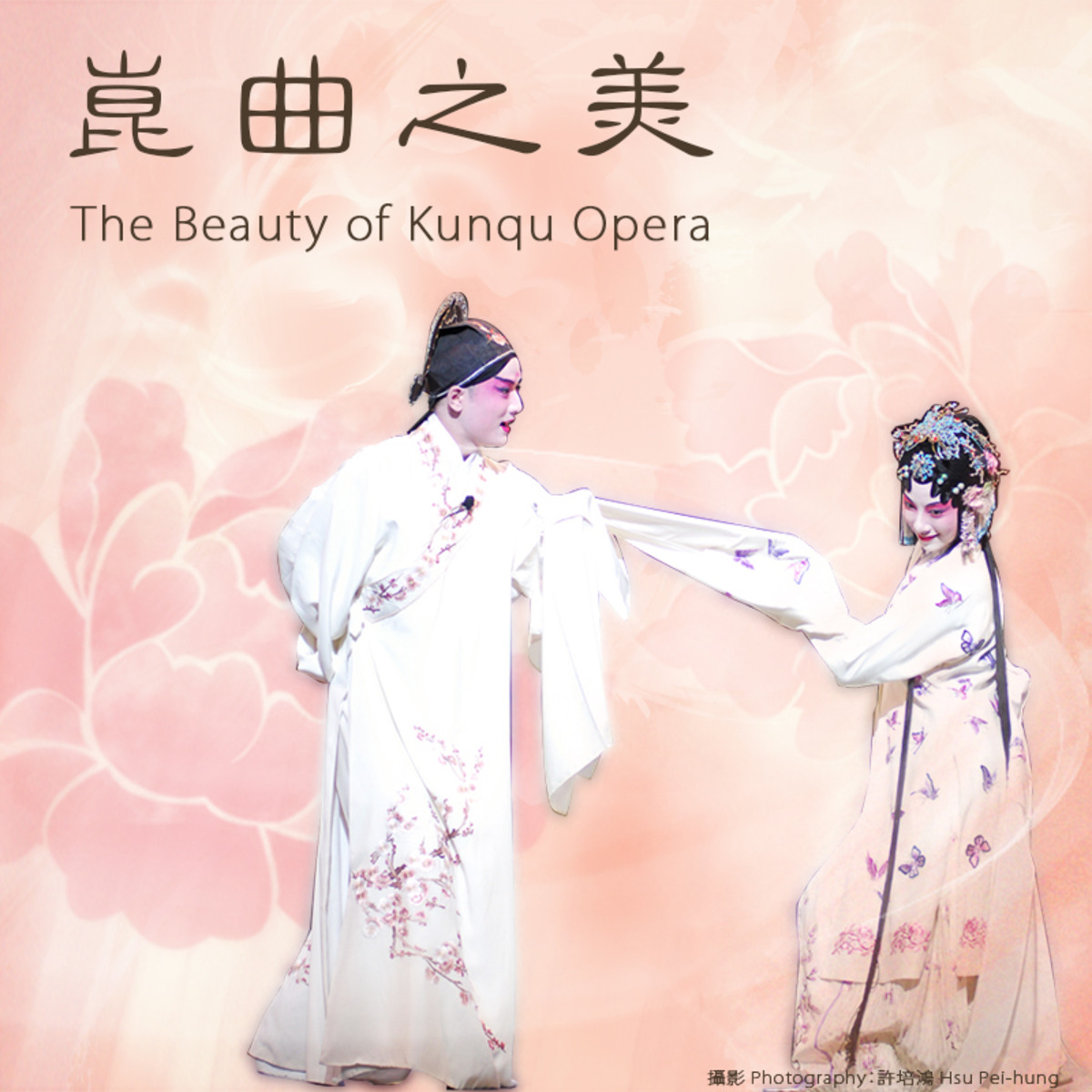
آموزش زیبایی اپرای کونکو - آخرین آپدیت
دانلود The Beauty of Kunqu Opera
نکته:
ممکن هست محتوای این صفحه بروز نباشد ولی دانلود دوره آخرین آپدیت می باشد.
نمونه ویدیوها:
سرفصل ها و درس ها
مقدمهای بر زیبایی اپرای کونکو An Introduction to the Beauty of Kunqu Opera
-
1.1. معرفی کوتاهی از کونکو 1.1. A brief introduction to Kunqu
-
1.2. نقاط اوج کونکو در اواخر سلسله مینگ و اوایل سلسله چینگ 1.2. High points of Kunqu during the late Ming and early Qing dynasties
-
1.3. پیشینه اجتماعی-تاریخی کونکو در چین قرن شانزدهم و هفدهم 1.3. The socio-historical background of Kunqu in 16th- and 17th-century China
-
1.4. پاویون گل صدتومانی، شعر و اجرای آن 1.4.The Peony Pavilion, its poetry and performance
-
1.5. از متن تا صحنه: پاویون گل صدتومانی به عنوان یک شاهکار 1.5. From page to stage: The Peony Pavilion as masterpiece
زیبایی موسیقی کونکو The Beauty of Kunqu Music
-
2.1. معرفی کوتاهی بر موسیقی کونکو 2.1. A brief introduction to Kunqu music
-
2.2. ویژگیهای موسیقایی ملودیهای کونکو 2.2. Musical features of Kunqu melodies
-
2.3. تعریف تحلیلی نوع آهنگ: qupai 2.3. Analytical definition of tune-type: qupai
-
2.4. تضادهای بین اپرای غربی و اپرای کونکو 2.4. Contrasts between Western opera and Kunqu opera
-
2.5. سازهای سنتی گروه کونکو: changmian 2.5. Traditional instruments of Kunqu ensemble: changmian
هنر اجرای کونکو: نقشهای مردانه The Art of Kunqu Performance: the Male Role-Types
-
3.1. مقایسه بین نقشهای محصل جوان و مقام مسئول 3.1. Comparison between the young scholar and the official role-types
-
3.2.1. آواز و گویش در نقش محصل جوان 3.2.1. Singing and speaking of the young scholar role-type
-
3.2.2. حرکات پا و ژستهای دست در نقش محصل جوان 3.2.2. Foot work and hand gestures of the young scholar role-type
-
3.2.3. ترکیب دست، چشم، بدن و گامها: «گفتگوی سنتورها»، صحنهای از سنجاق سر یشمی 3.2.3. Hand, eye,body, and step combined: "Repartee of Zithers", a scene from The Jade Hairpin
-
3.3. نمایش نقش مقام مسئول جوان: «نگاه به وطن»، صحنهای از چوپان 3.3. Demostration of the young official role-type: "Looking Homeward", a scene from The Shepherd
-
3.4. نمایش نقش مقام مسئول ارشد: «زاری در برابر مجسمه»، صحنهای از قصر زندگی ابدی 3.4. Demostration of the great official role-type: "Lamenting before the Statue", a scene from The Palace of Eternal Life
هنر اجرای کونکو: نقشهای زنانه The Art of Kunqu Performance: the Female Role-Type
-
4.1.1. دستهبندی نقشهای زنانه در کونکو 4.1.1. Categories of female role-types in Kunqu
-
4.2.1. نمایش نقش زن بالغ 4.2.1. Demonstration of the mature female role-type
-
4.3.1. «جستجوی رویا»، صحنهای از پاویون گل صدتومانی: تجسم ذهنیت رمانتیک یک زن جوان 4.3.1."Search for the Dream", a scene from The Peony Pavilion: imaging the romantic mindset of a young woman
-
4.3.2. «جستجوی رویا»، صحنهای از پاویون گل صدتومانی: ناامیدی 4.3.2. "Search for the Dream", a scene from The Peony Pavilion: disappointment
-
4.4.1. بهرهمندی از اساتید: مطالعه لیانگ گویین در «خواستههای دنیوی» 4.4.1. Benefiting from many masters: Liang Guyin studies "Earthly Desires"
-
4.4.2. تمرکز بر نقاط حساس: استفاده از حرکت چشم و تظاهر به حواسپرتی هنگام دکلمه 4.4.2. Focus on critical points: using eye movement and acting distracted as she recites
-
4.4.3. ترکیب پانتومیم، آواز و رقص: «شمارش ارهاتها» و فرار از کوهستان 4.4.3. Pantomime, song, and dance combined: "counting arhats" and escaping down the mountain
-
4.5.1. نیازهای یکسان آواز و هنرهای رزمی در «قرض گرفتن بادبزن جادویی برگ موز»، صحنهای از سفر به غرب 4.5.1. Equal demands of singing and martial arts in “Borrowing the Plantain Leaf Magic Fan”, a scene from The Journey to the West
-
4.5.2. نوآوری در صحنه: «درد شکم» 4.5.2. Innovation in the scene: "belly pain"
هنر اجرای کونکو: تلفیق نقشهای صورت رنگشده و جنگجو The Art of Kunqu Performance: Integration of the Painted Face and Warrior Role-Types
-
5.1. الگوهای رنگ صورت و لباسهای نقشهای مختلف صورت رنگشده 5.1. Face paint patterns and costumes various painted face roles
-
5.2. استفاده از ریش و چشمها در اجرای نقش لرد گوان 5.2. Use of the beard and eyes in the enactment of Lord Guan
-
5.3. اهمیت آواز در «تنهایی در اردوگاه دشمن» 5.3. Importance of singing in "Into the Enemy Camp Alone"
-
5.4. اهمیت گفتار و دکلمه 5.4. Importance of speech and recitation
-
5.5. حرکت و حالات چهره 5.5. Movement and facial expression
هنر اجرای کونکو: نقشهای کمدی The Art of Kunqu Performance: the Comic Role-Type
-
6.1. دستهبندی نقشهای کمدی مردانه در کونکو 6.1. Categories of male comic role-types in Kunqu
-
6.2. نمایش دو راهب در «فرار از صومعه» (چو جوان) و «گشت در تالار دعا» (فو چو) 6.2. Demonstration of two monks in "Escape from the Monastery" (young chou) and "Touring the Prayer Hall" (fu chou)
-
6.3. حرکات آکروباتیک همراه با آواز غنایی: «شی چیان زره را میدزدد» 6.3. Acrobatic action with lyrical singing: "Shi Qian Steals the Armor"
-
6.4. چابکی در عین منطق و غافلگیری: بخشی از «شی چیان زره را میدزدد» 6.4. Agility within logic and surprise: excerpt from "Shi Qian Steals the Armor"
زیباییشناسی نوین کونکو: سنت و مدرنیته The New Aesthetics of Kunqu: Tradition and Modernity
-
7.1. کونکو و زیباییشناسی سنتی چین 7.1. Kunqu and Chinese traditional aesthetics
-
7.2. نسخه عاشقان جوان پاویون گل صدتومانی و نسخه جدید سنجاق سر یشمی: پیوند سنت و مدرنیته 7.2. The Young Lovers' Edition Peony Pavilion and The New Edition Jade Hairpin: connecting tradition and modernity
-
7.3. نسخه عاشقان جوان پاویون گل صدتومانی: نوآوریها در طراحی صحنه 7.3. The Young Lovers' Edition Peony Pavilion: innovations in stagecraft
-
7.4. نسخه جدید سنجاق سر یشمی: بازگشت به کلاسیکیسم، تلفیق هنرهای گرافیکی و خوشنویسی 7.4. The New Edition Jade Hairpin: return to classicism, synthesis of graphic and calligraphic arts
جزییات دوره
9h 55m
38

(آخرین آپدیت)
9,015
4.7 از 5
دارد
دارد
دارد




 Prof. Wei Hua 華瑋
 Prof. Kenneth Hsien-yung Pai 白先勇
 Prof. Lindy Li Mark 李林德
نمایش نظرات